Full Grain Leather, Explained
Leather terminology is one of the more misleading parts of shopping for accessories, mostly because the words that sound the most reassuring describe the lowest quality. Genuine leather, for example, sounds like a guarantee. In practice it is a catch all term for the layers left over after the good parts of the hide have been separated out.

The hide has a structure. The outermost layer, closest to the surface, has the tightest and most irregular fiber density, which is what makes it strong and what allows it to develop a patina instead of wearing thin. Full grain leather keeps that layer intact, including the natural marks and variation that come with it. Top grain sands that surface down to make it uniform, which improves consistency and reduces durability. Below that, the terminology gets creative.

This is why two wallets that look similar in a photo can behave completely differently over five years. One softens and darkens at the edges where your hand touches it most. The other cracks along the fold.

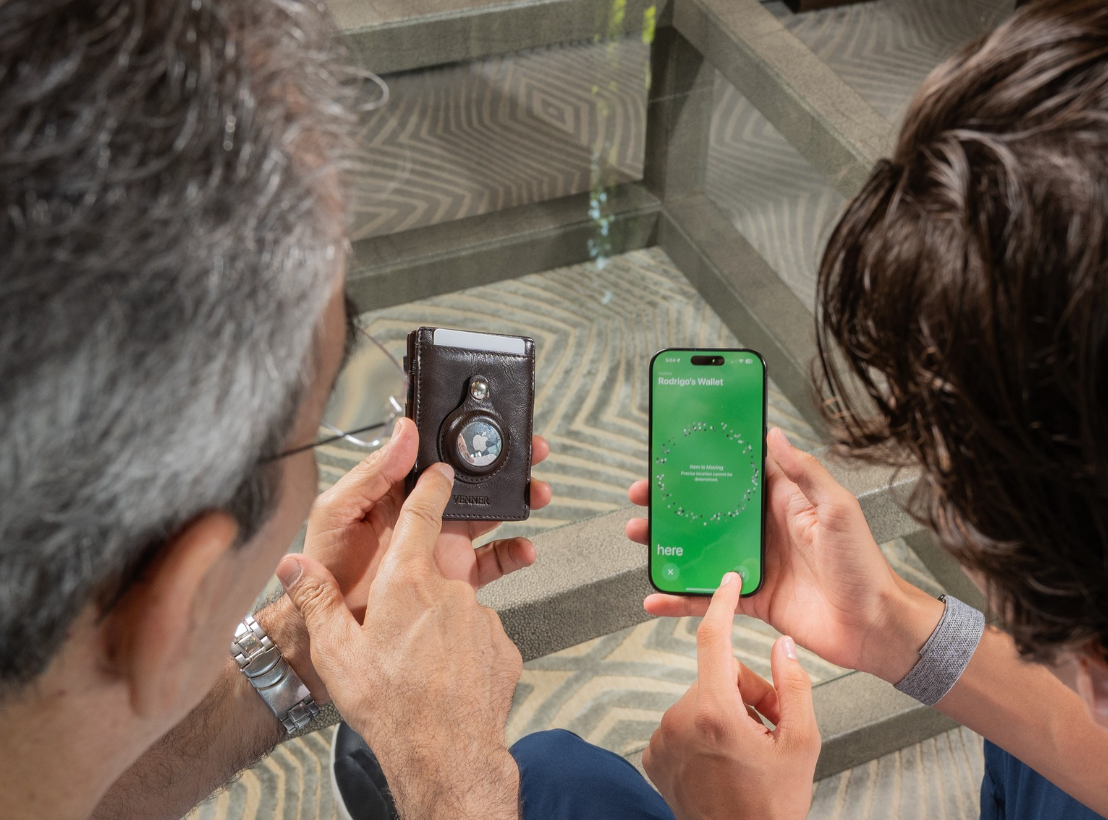
Every Venner leather piece, from the Venner Wallet to the Passport Holder, uses full grain leather for exactly this reason. It costs more at the start and it is the only version of the material that actually improves with use.

Written by RODRIGO JOSE DEL VALLE SALINAS